Braj is dead. What is left of it is a corpse and the occasional mirage of the grandeur it once carried. I was born on what had been the epicentre of civilisation, of divine and intellectual thought so old that it had soaked into the soil, yet all I have ever seen there is decay, ruin, the abhorrent fetishisation of something that is not there, and the violent disregard of what is.
When I say My Braj, I specifically mean MY. By geography and by history, Braj is a sacred cultural region centred on Mathura and Vrindavan, and I do not dispute its historical weight or its significance as a place of pilgrimage. That is simply not the Braj I am speaking of. Mine is a semantic and romantic ideal, the thing that was supposed to be. The thing which was stolen from me.
In the geographic Braj there is a tradition of loving god as one loves a child rather than as one worships a deity, and with the boom of the bhakti traditions you would have seen this everywhere. You care for a God the way you would care for an infant. You feel guilt for not offering prasad on time, because he must be hungry. You worry about not having dressed him warmly enough against the harsh weather. I have no issues with that m It has been part of this society for a millennium maybe longer. What has changed is that the whole thing is now performative, and it actively pollutes the theology and the spirituality it claims to serve.
What that tradition understood, and what has since been forgotten, is that the care runs in both directions. You hold god as a child, and in holding him you are made a child yourself, taken into the loving embrace of a tribe that nourishes its lord and is nourished by him in turn. The child who is held, and is relieved of greed and animosity, and of the pot of poison that ignorance and vengeful pride against everyone else. That is the essential circuit. Break it and all that is sacred burns. We have broken it. The lord became a product with a price, and the devotee stopped being nurtured and started being milked.
Braj stood for something simpler and stronger than any of this. It let you meditate on the being of god by doing nothing more than witnessing it. That is what darshan actually means, and it was never a one way looking; you saw the deity and the deity saw you, and the seeing was itself the practice. You did not need to be learned. You needed to be present.
My Braj was the notion of intuited chants, understood not through their recited meanings but through the divinity they reflected, and of great halls filled with the masters of nirvana. To be surrounded by saints and teachers who had conquered not the world but themselves, and by their schools of disciples lively in debate over how to find oneself. The rituals and prayers in My Braj were performed in full halls, not for the want of the masses but out of sheer love for thy gods.
But alas, my ideal was burned to the ground, and I built a severe dislike of the geographic Braj early, instinctively, before I had any words for it.
First the teachers went. There is no one left to go to now, not for spiritual guidance, not to study under, not for just to feel their peaceful presence by simply sitting near and watching them. With the teachers gone the texts stopped being read as anything but sound; no one meditates any longer on their nature or their philosophy, because no one remains who was ever taught how. Then ritual became mimicry, priests chanting and performing rites they do not understand fully nor do they want to.
The in your face consumerism of Mathura degrades the people selling it as much as it degrades what is sold, and it degrades most of all the last thin line of genuinely spiritual clans, who try to cash in on it and fail at even that.
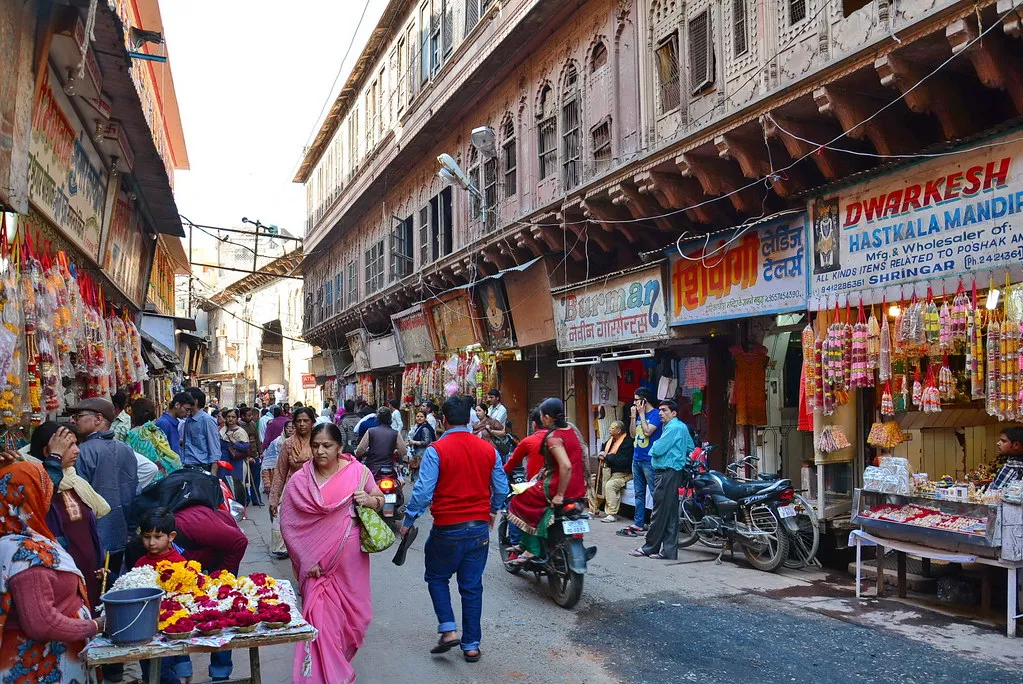
The phrase “your worst sin is that you have destroyed and betrayed yourself for nothing” is very apt here. The commodification of ritual, its reduction to a purely physical sequence of acts, and the influx of charlatans peddling snake oil to the innocent have eroded trust both consciously and subconsciously. The geographic Braj is no more an oasis of high spirituality than a mirage is water. The grifters and the clout chasers keep arriving, and soon there will be nothing left there but the snake oil salesmen and the snakes they sell to.
Vrindavan, the forest of Tulsi, is no longer a forest and, for the most part, no longer holds the essence of tulsi either. People point to Times Square as the emblem of late stage capitalism and its heinous effects, a place whose only attraction is its advertising. Vrindavan is the better example, and the reason is precise. Both are cathedrals built entirely around the gaze. Both exist to be looked at. What it holds is a crowd that wants a hit of dopamine and the chance to be seen being holy, holier than thou rendered as a service industry.
Consider what passes for authority there. It is inherited rather than earned, lineage brandished in the place where understanding should be, by men who have never once sat with the thing they claim to have mastered. The irony is exact: the texts they wave, their divine knowledge, the immense delusions of grandeur, while the only qualification these men hold is ego. They will respect श्री, the goddess standing in their own scriptures only in acts. They disregard the common folk and their vices entirely while excusing their own. And so in the land of Radha, where the feminine divine is nominally supreme, I have watched houses run on domestic cruelty, on ego and malice of a degree I would not have believe. Orthodoxy and social pressure exist everywhere and that is not the issue, but if it happens here, in Braj, then what exactly makes this place different from anywhere less spiritually inclined? Nothing. It is the answer that hurts like a death with a thousand cuts.
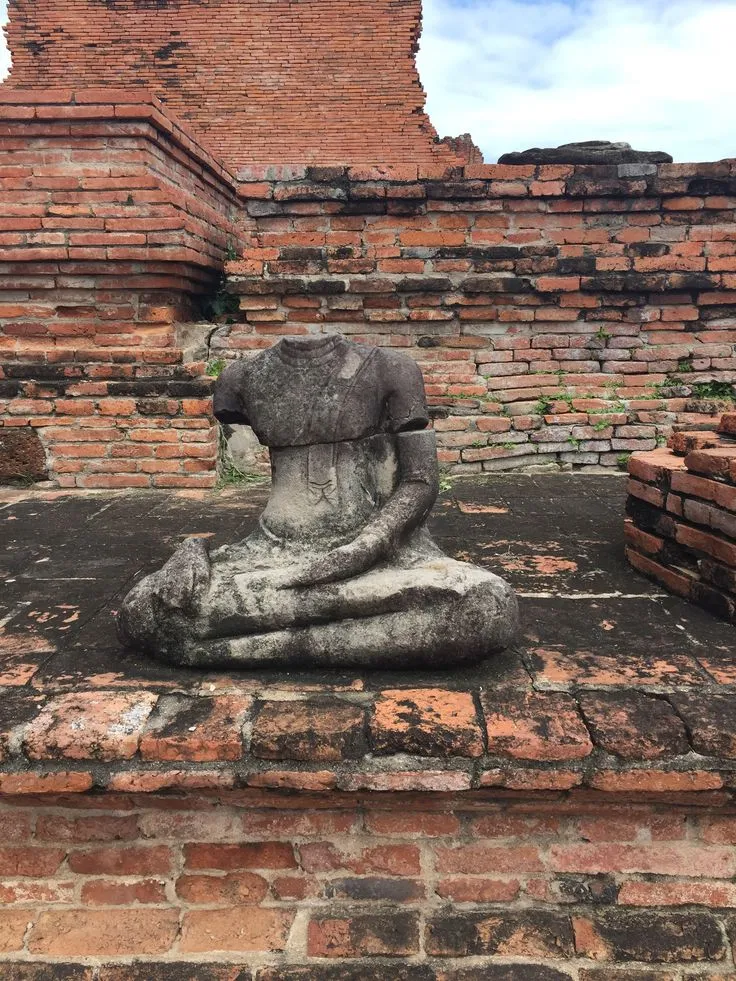
The physical inheritance is the same way. Hundreds of temples, artifacts and texts, some known and most not, lie so scattered and so blurred together that you cannot make out any single one of them. Generations of pride and appetite for dominion have laid waste to whatever the golden age left standing. What little is known gets recited among a handful of people in a futile attempt at preservation, and the decay does not slow. Maybe it no longer even matters. That is three deaths and not one: the thing died, then the memory of the thing died, and then the capacity to check what had been lost died along with it.
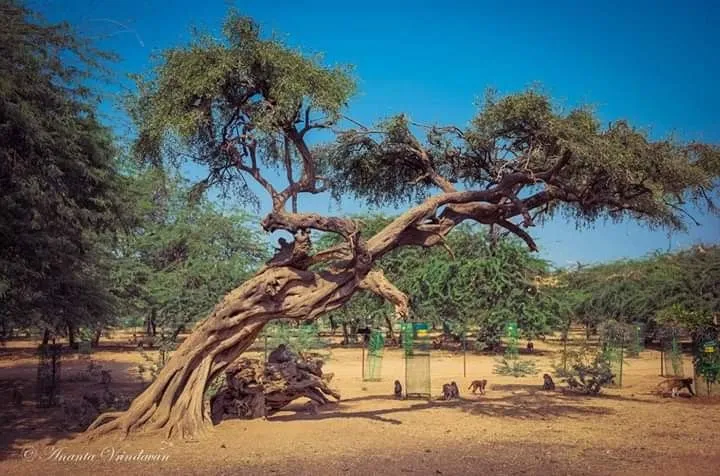
My Braj was not there when I was born, but the land of saints was still faintly in sight by the time I began to see. What I saw were the last herds of the mammoths of dharma. They are unadorned, they carry their own weight, and they are almost gone. So it is here. The few who remain are not merely being driven out. The climate that could sustain or encourage another one no longer exist.
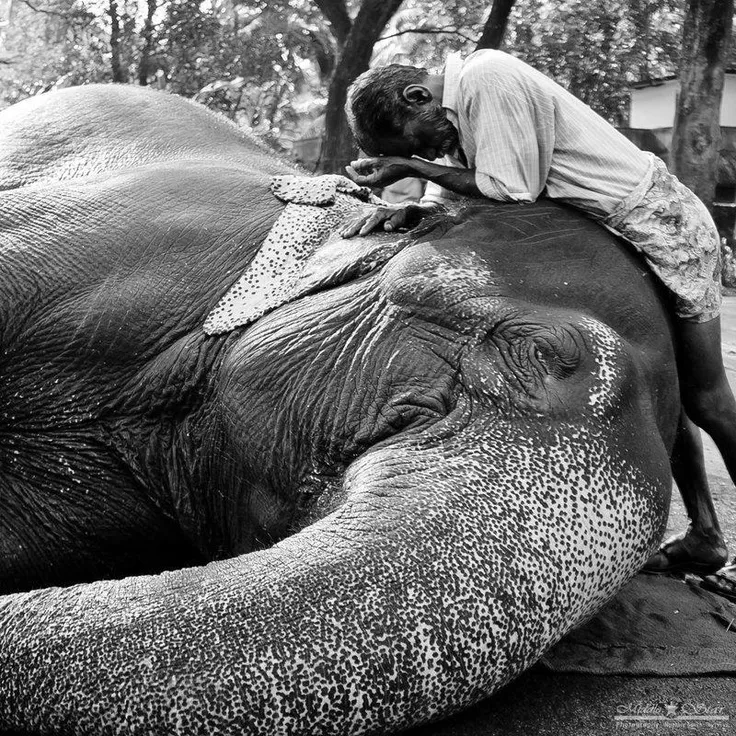
What has replaced them is the temple elephant. Painted, garlanded, paraded, photographed, admired by everyone who passes, and underneath the paint an animal that is chained, that understands nothing of the procession it stands at the centre of, and that will one day turn. That is what you meet in Braj now. Egotistic, irrational, closed to any conversation, and dressed so beautifully that the crowd mistakes it for the sacred thing itself.
I was born on land that lost countless schools of philosophy it had itself nurtured. The knowledge of the unknowns, and of the first men who ever found peace, was buried along with them.
My Braj was not taken from me by a political party, or by another civilisation, or by a sect. It was lost to ordinary human beings and their ordinary vices, some of them acting from malice and most of them merely wanting to stand above the rest. Greed and pride stole it, and now, standing in its rotting decay and still ignorant, still refusing to set down the pride or accept any share of the blame, the ordinary man surveys what he has made and proclaims:
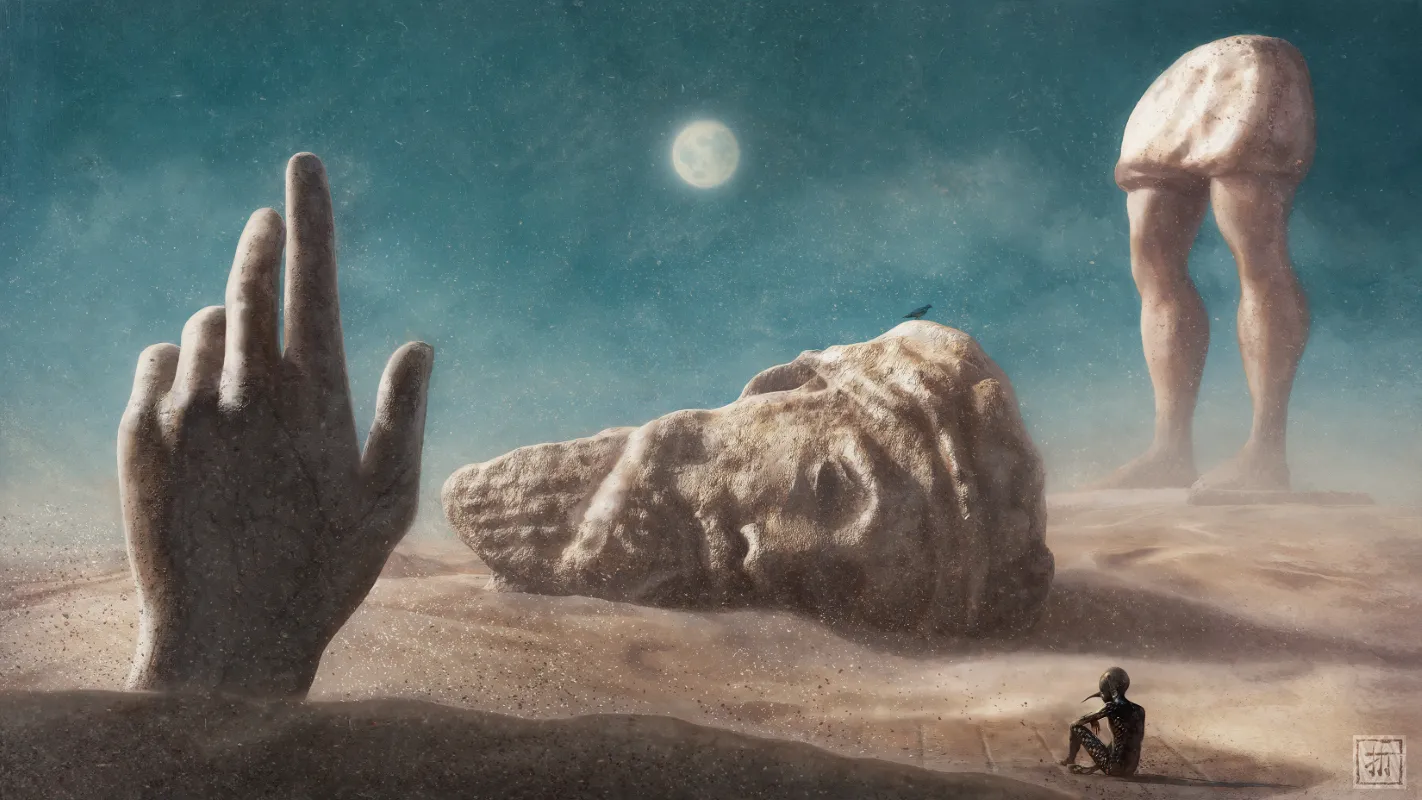
“My name is Ozymandias, king of kings:
Look on my works, ye Mighty, and despair!”